
Libre by Abbott
Abbott Diabetes Care Inc.Medical
4.38.86K Reviews
- Version
- 1.4.2
- Installs
- 500.00K
- Age Rating
- Everyone
Screenshots
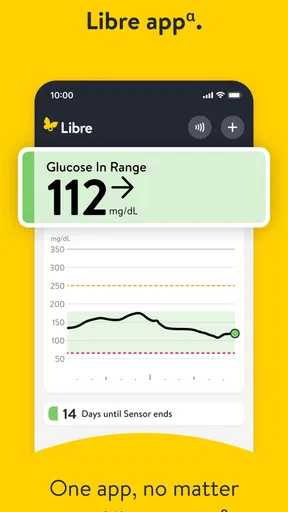
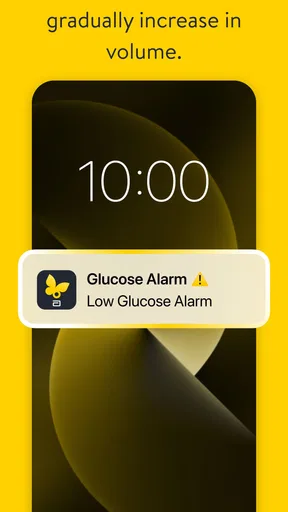
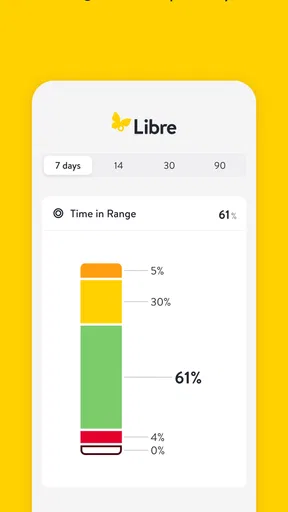
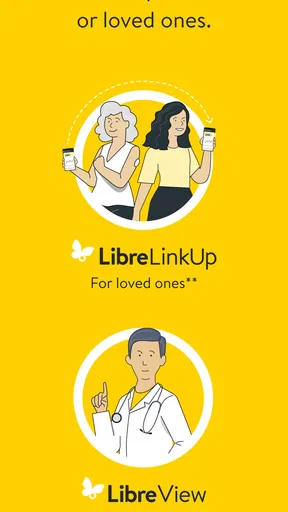
Our Review of Libre by Abbott
 Analysis by Appyee
I approached Libre by Abbott as a practical medical app rather than another health dashboard to glance at once and forget. Its purpose is continuous glucose monitoring, and that changes the way I think about it: the useful question is not simply whether it displays glucose information, but whether it helps that information move smoothly from a sensor-based routine into decisions, conversations, and follow-up care. Developed by Abbott Diabetes Care Inc., it is free, rated for Everyone, and available on devices running iOS 11 or later. The app reached the App Store on April 7, 2025, and version 1.3.0 is the version I reviewed.
My overall impression is positive, especially for someone who wants glucose information to be part of ordinary life instead of a separate chore. It feels most valuable when I use it as one link in a larger workflow: notice what is happening, consider the context, and then decide what deserves attention. That sounds simple, but medical apps often become frustrating when the handoff between personal tracking and professional care is unclear. This one makes the monitoring side feel more approachable, although it still requires users to understand that an app is a tool for observing glucose patterns, not a replacement for clinical judgment.
From a glucose question to a usable daily routine
I find the most useful starting point is to choose one real question about your routine, such as whether a particular part of the day deserves a closer look, rather than opening the app and trying to interpret everything at once. That gives each check a purpose and makes it easier to keep ordinary variation in perspective. From there, the next section looks at how I would carry that focused approach into a repeatable daily routine.
Starting with the right expectation
The starting condition for many users is uncertainty. I might want to understand how glucose behaves during a normal day, after meals, around exercise, or overnight. Traditional spot checks can answer a question about one moment, but they can leave the rest of the day invisible. A continuous monitoring approach is different because it is built around a stream of information rather than isolated checks.
That distinction matters before installing the app. If I only want occasional readings and do not plan to look for patterns, Libre by Abbott may feel like more information than I need. If I am trying to connect everyday events with glucose changes, the continuous-monitoring focus makes much more sense. The app is not interesting merely because it puts numbers on a phone; its value comes from giving those numbers a place in a repeatable routine.
I also appreciate that the app comes from Abbott Diabetes Care Inc., a developer associated directly with the Libre product family. That does not mean I should accept every result without question, but it does make the app feel more purpose-built than a generic wellness tracker. A general health app may collect meals, activity, sleep, and symptoms in one place, while this app is centered on glucose monitoring. For someone whose main concern is glucose, that narrower focus can be an advantage.
Setting up the first useful session
The first practical step is making sure the phone itself is suitable. The minimum operating-system requirement is iOS 11, so compatibility is not limited to only the newest Apple hardware. Still, compatibility alone does not guarantee a smooth experience. I would check the phone model, keep the operating system current when possible, and make sure I am comfortable using the app before relying on it during a busy day.
Once the app is ready, I would treat the first session as a learning period rather than a test I have to pass. The goal is to understand how the information appears and how quickly I can interpret it without turning every change into an emergency. That mindset is important because glucose naturally responds to context. A reading or trend viewed without knowing what I ate, whether I exercised, or how I felt can be less useful than a smaller amount of information interpreted carefully.
A practical habit is to pair the monitoring routine with a simple mental note: what was happening before I looked? For example, if I check after breakfast, I can remember the meal and the time. Later, that context helps me distinguish a one-off result from a pattern worth discussing. This is one of the less obvious strengths of continuous monitoring: it can improve the quality of questions I bring to a healthcare professional, not just increase the number of readings I see.
Following the information through an ordinary day
Imagine a weekday in which I wake up late, eat breakfast quickly, commute, and then sit through a long meeting. With a conventional spot-check routine, I might only see the moments when I remember to test. With Libre by Abbott, the intended workflow is more connected to the day. I can use the app as a window into glucose behavior while life continues around it, then think about the result in relation to meals, activity, stress, and timing.
The most useful behavior is not constantly staring at the screen. I would check with a purpose: before making a planned decision, after a routine that often affects glucose, or when I want to understand a change. This prevents the app from becoming a source of unnecessary anxiety. Continuous information can be empowering, but it can also tempt people to react to every fluctuation. The better approach is to look for direction and recurring circumstances rather than treating each moment as a verdict.
For a person managing diabetes with an established care plan, the app can fit into that plan as an observation tool. It may help connect what happens at home with what gets discussed in an appointment. For a family member helping someone older, the value may be in making the monitoring routine easier to follow and easier to explain. For someone newly curious about glucose, the app can be educational, but I would still want professional guidance before making treatment decisions based on what appears on the screen.
The handoff from personal observation to clinical conversation
This is where I think the app earns its place. A glucose reading by itself is limited; a pattern connected to a routine is more informative. If I notice repeated changes after a particular meal or during a certain type of day, I can describe the situation more clearly to my clinician. Instead of saying that my glucose was “strange,” I can explain when I noticed the change and what was happening around it.
That handoff also requires restraint. I would not use an app display to independently change medication, ignore symptoms, or override instructions from a healthcare professional. The app can help me observe and communicate, but it does not know my complete medical history simply because it is on my phone. This is especially important for people who are tempted to turn every trend into a self-directed experiment.
A useful preparation technique is to identify a small number of recurring questions before an appointment. Perhaps I want to understand how exercise affects my readings, whether a meal pattern is associated with repeated changes, or why certain times of day seem different. Bringing focused questions makes the information easier to use. It also reduces the risk of arriving with a crowded screen and no clear conclusion.
What the result looks like in practice
The outcome I want from a medical app is not a feeling of having collected more data. I want a better understanding of my routine and a clearer conversation with the person responsible for my care. Libre by Abbott can support that outcome because continuous monitoring encourages me to look beyond isolated moments. It turns the day into a sequence I can reflect on instead of a collection of unrelated checks.
That can be particularly helpful when the same situation keeps producing an unexpected result. A meal, a workout, a poor night of sleep, or a stressful workday may look different when viewed as part of a recurring pattern. The app gives me a reason to ask better questions. It does not automatically answer those questions, and I consider that an important boundary rather than a weakness.
The app’s reception suggests that many people find this approach useful. It has an average rating of 4.4 from around 36 thousand ratings, with roughly 7 thousand written reviews. It has also passed half a million installs. I would not treat popularity as proof that it will suit everyone, but that level of adoption makes the app feel established enough to consider seriously rather than experimental or obscure.
Where the workflow breaks
The first point of friction is that continuous monitoring can create more information than a person knows how to interpret. New users may expect the app to tell them exactly what to do next, but medical decisions are rarely that simple. If I do not already understand the basics of glucose management, I could easily confuse a temporary change with a meaningful trend. The app is therefore better for informed observation than for unsupported self-treatment.
The second issue is attention. A phone-based monitoring routine can become intrusive if I check compulsively. I have found that a clear purpose helps: look, note the context, and return to the day. Without that discipline, the app may increase worry instead of reducing it. This is not a flaw unique to Libre by Abbott, but it is a real trade-off of continuous information compared with occasional testing.
There is also a difference between this focused tool and a broader health platform. A general wellness app may be preferable for someone who wants one place for exercise, nutrition, sleep, and many other health records. Libre by Abbott is the better fit when glucose monitoring is the priority. I would not choose it simply because it is free; I would choose it because its central purpose matches my needs.
Another possible break occurs during handoffs. A user may observe a pattern but fail to record the surrounding circumstances, then arrive at a clinical appointment with information that is difficult to interpret. My workaround is simple: when something stands out, I write down the time, the relevant meal or activity, and how I felt. That small amount of context can make the app’s information more useful than a long stream of unexplained readings.
Who should use it, and who should look elsewhere
I would recommend Libre by Abbott to someone who wants a dedicated continuous glucose monitoring companion and is willing to learn how to read patterns responsibly. It is also a sensible option for people who want monitoring to fit around work, travel, meals, and exercise instead of being treated as a series of disconnected tasks. The free price removes one obvious barrier to trying the app, although the broader monitoring setup and personal care plan still matter more than the download itself.
I would be more cautious recommending it to a person who expects an app to diagnose a problem or prescribe a solution. It is not the right choice for someone who becomes distressed by frequent health information, unless they have a clear plan for how often to check and whom to contact with concerns. A person seeking a complete lifestyle dashboard may also prefer a broader health app, while someone who only needs occasional measurements may find continuous monitoring unnecessary.
The age rating of Everyone makes the app broadly accessible from a content perspective, but that should not be confused with medical suitability for every individual. Children, older adults, and people with complex treatment plans may need support from a parent, caregiver, or clinician when using any glucose-monitoring tool. The app can be part of that support, but it should not replace it.
Small habits that make the app more useful
My first tip is to establish a baseline routine before trying to draw conclusions. I would use the app through ordinary days, rather than judging it from one unusual meal or one stressful afternoon. Patterns become easier to recognize when the surrounding circumstances are familiar.
My second tip is to separate observation from action. I can notice a change, write down the context, and decide whether it belongs in a conversation with my healthcare professional. That pause is valuable. It prevents the common mistake of making a major change because one screen looked different from the previous one.
My third tip is to use the app as a communication aid. Before an appointment, I would select a few situations that repeatedly raise questions and describe them in plain language. The strongest outcome is not proving that the app is right; it is helping my clinician and me discuss what the pattern might mean in my specific case.
My fourth tip is to plan for moments when the phone is inconvenient. A busy commute, a low battery, or a day spent away from normal routines can interrupt the ideal workflow. I would not let the app become the only thing I trust about how I feel. Symptoms, professional advice, and the established care plan remain important, particularly when the displayed information and physical symptoms do not seem to match.
My final assessment after following the full workflow
Libre by Abbott succeeds when I treat it as a bridge between continuous glucose information and thoughtful everyday decisions. Its strongest quality is focus: it is a medical app built around glucose monitoring, not a generic collection of health features. The connection to Abbott Diabetes Care Inc., the free entry point, and the current version 1.3.0 make it an accessible option for people whose devices meet the iOS 11 requirement.
What I like most is the way it can turn vague concerns into specific observations. Instead of wondering what happened during a day, I can look at the day as a sequence and connect changes with real events. What I like least is the responsibility that comes with that visibility. More information does not automatically mean better decisions, and users need enough guidance to avoid overreacting or drawing medical conclusions alone.
After considering the complete flow—from starting with a question, to observing a routine, to handing useful context to a clinician—I see this app as a strong fit for people who want continuous glucose monitoring to become part of normal life. Its real value appears when the information leads to better questions and safer conversations, not when it simply fills a screen. I would recommend trying it to the right user, while keeping expectations realistic: it can organize observation and support understanding, but personal medical care still belongs with qualified professionals.
Privacy and Permissions
See what permissions an app requests and how it handles your data.
- Location
- precise location (GPS and network-based)
- Camera
- take pictures and videos
- Wi-Fi connection information
- view Wi-Fi connections
- Other
- view network connections, pair with Bluetooth devices, access Bluetooth settings, change network connectivity, allow Wi-Fi Multicast reception, full network access, control Near Field Communication, run at startup, control vibration, prevent device from sleeping, modify system settings
Verdict
Strengths of Libre by Abbott
- Free to download and use with compatible Abbott sensors.
- Clear glucose trends help users understand changes over time.
- Customizable alerts can warn about highs, lows, and rapid changes.
- Readings can be shared with caregivers or healthcare professionals.
- Useful reports support discussions during diabetes appointments.
Limitations of Libre by Abbott
- Requires a compatible Abbott sensor and smartphone for full functionality.
- Sensor availability and replacement costs may vary by region.
- Bluetooth or phone compatibility issues can interrupt readings.
- Some features may require account registration and internet access.
- Not intended to replace professional medical advice or treatment decisions.
Similar Picks in This Category
View All
WebMD: Symptom Checker
WebMD, LLC4.1

Microphone Amplifier
DOSA Apps4.2

Anatomy Learning - 3D Anatomy
3D Medical OU4.5

Period Tracker and Calendar
SimpleInnovation4.9

GoodRx: Prescription Coupons
GoodRx4.8

CVS Health
CVS Pharmacy4.5
Frequently Asked Questions
What is Libre by Abbott, and what does it do?
Libre by Abbott is the companion app for Abbott’s FreeStyle Libre continuous glucose monitoring system. When paired with a compatible sensor, it allows you to scan or read glucose values, view trends, review historical patterns, and receive optional alarms for high, low, or rapidly changing glucose levels. The exact features depend on your sensor model, phone, operating system, and country.
Is Libre by Abbott compatible with every phone and FreeStyle Libre sensor?
No. Compatibility is not universal. The app works only with supported smartphones, operating-system versions, and FreeStyle Libre sensors available in your region. Before downloading, check Abbott’s official compatibility list and confirm that your phone model is approved. Some sensors may require scanning with the phone, while others support continuous readings and alarms through Bluetooth.
Can Libre by Abbott replace a blood glucose meter or medical advice?
Libre by Abbott is designed to help monitor glucose, but it should not replace professional medical advice or automatically determine treatment. Depending on the sensor and situation, Abbott may recommend confirming unexpected readings with a blood glucose meter, especially when symptoms do not match the displayed value. Always follow your healthcare professional’s instructions for medication, insulin, diet, and emergencies.
Does Libre by Abbott require internet, Bluetooth, or an account?
The app generally requires an Abbott account or a supported sign-in process to save, synchronize, and share glucose information. Bluetooth is needed for compatible sensors that provide automatic readings and real-time alarms, while scan-based use may work differently. Internet access is commonly required for data synchronization, reports, and sharing, so some features may be limited when offline.
What privacy and sharing options are available in Libre by Abbott?
The app can store sensitive health information, including glucose readings, trends, notes, and reports. Users may be able to share data with caregivers or healthcare professionals through Abbott’s connected services, depending on the region and product version. Review the app’s privacy policy, permissions, and sharing settings carefully, and avoid granting access to people or services you do not trust.
